
Augmented Hip Hop, Defined
A hip hop production lane where AI textures are openly part of the sonic identity. Not gimmick. Not hidden. Not a replacement.
A hip hop production lane where AI textures are openly part of the sonic identity. Not gimmick. Not hidden. Not a replacement.
Augmented Hip Hop is hip hop where the production substrate is openly AI-amplified. Not as a gimmick. Not hidden in the credits. As a defined sonic posture.
Drums sit in front. Vocal cadence carries the song. The rhythmic foundation is where the genre lives. What changes is the texture layer above the drums: synthesis the producer couldn't have hand-rendered, sample-flips that recombine sources at scales no crate-dig could cover, glitch artifacts that emerge from the model itself and get harvested instead of cleaned.
Most genres that bolt new tech onto hip hop end up reading as novelty. Augmented Hip Hop refuses the novelty register on purpose. The AI textures are treated like any other production tool: gated, mastered, taste-driven. The songs still have to work as songs. If the drums don't hit and the cadence doesn't land, the album doesn't ship.
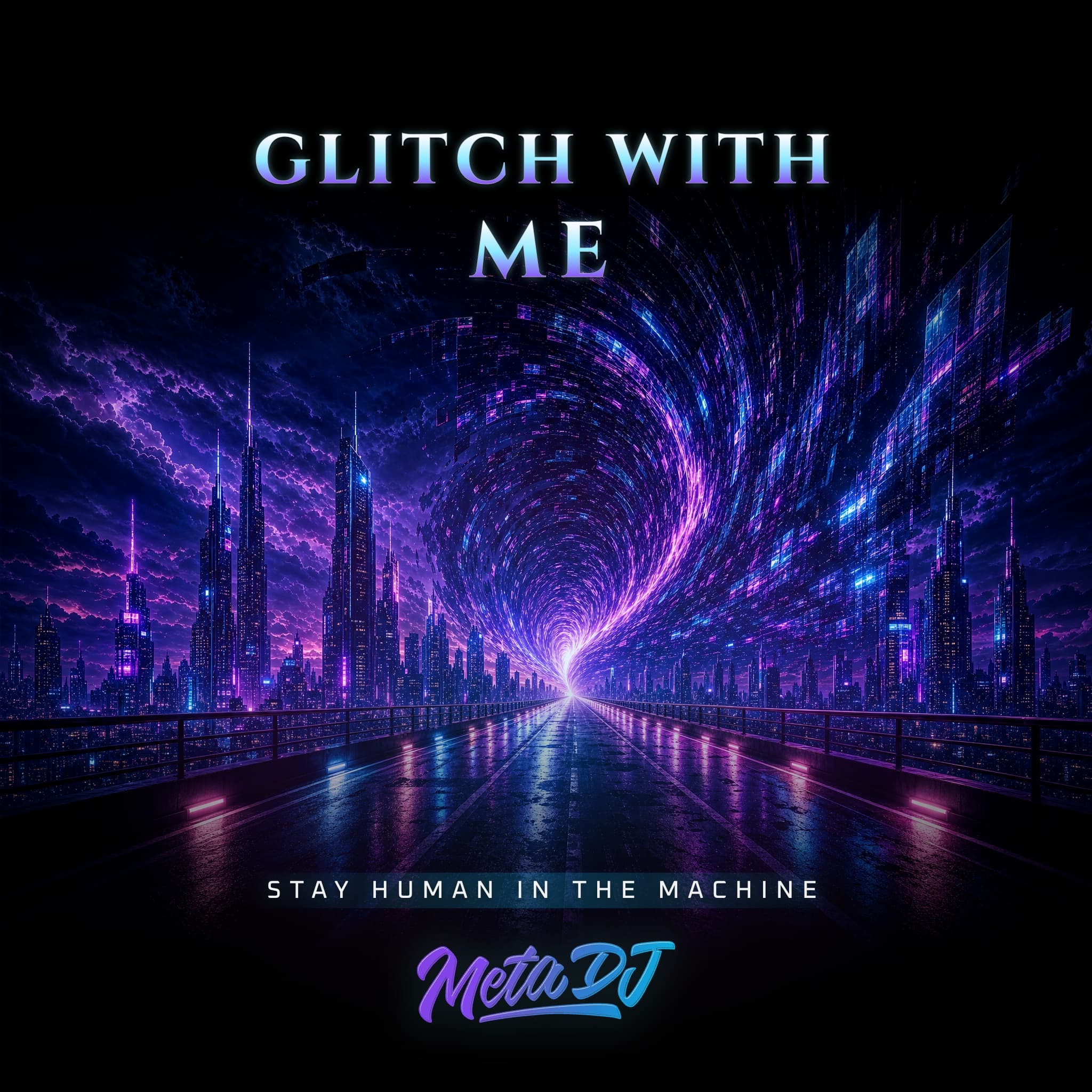
The opener asks the question the genre keeps asking: what survives when the production tools change? The answer is the part that was already human: the writing, the rhythm, the intent. The new tools amplify it instead of replacing it.
If a track sounds like it could have been made by a model alone, it doesn't belong here. If a track sounds like it would have been impossible without the model, it does.